
ESOL / INSIGHTS
Navigating Oilfield Logistics and Contractor Compliance in Venezuela: A Guide for International Investors
International investors reduce risk in Venezuela by connecting transaction-level legal review with verified contractor files, controlled mobilization, traceable field logistics and evidence-based service acceptance. This operating chain must be designed before equipment moves and maintained until every work order closes.
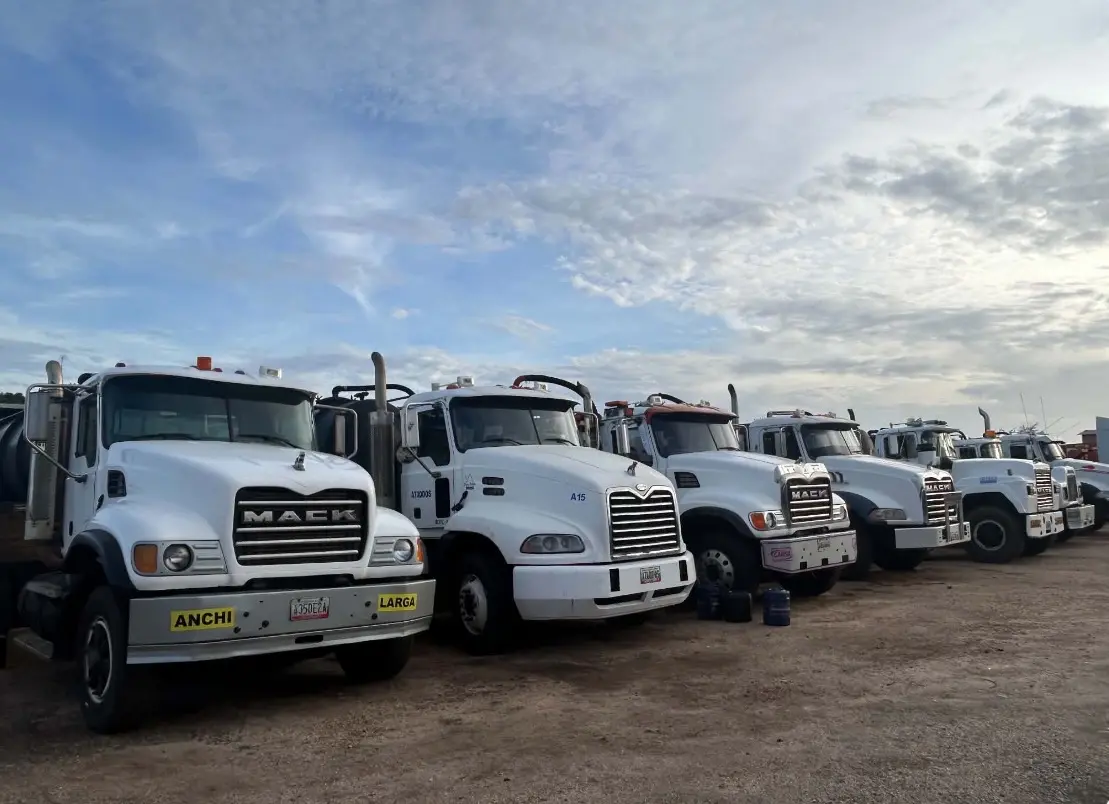
Why Venezuela oilfield execution requires an integrated control model
Oilfield activity brings together asset owners, operators, joint ventures, local contractors, equipment providers, drivers, HSE personnel and public authorities. Each may hold only part of the information needed for a safe decision. A contractor may be registered but lack current insurance; a vacuum unit may be available with incomplete records; a qualified driver may not be assigned to the inspected unit. These gaps create delays, billing disputes and incomplete inputs for compliance teams. A single operating-control layer should therefore link counterparties, people, equipment, documents, routes, work orders and field evidence.
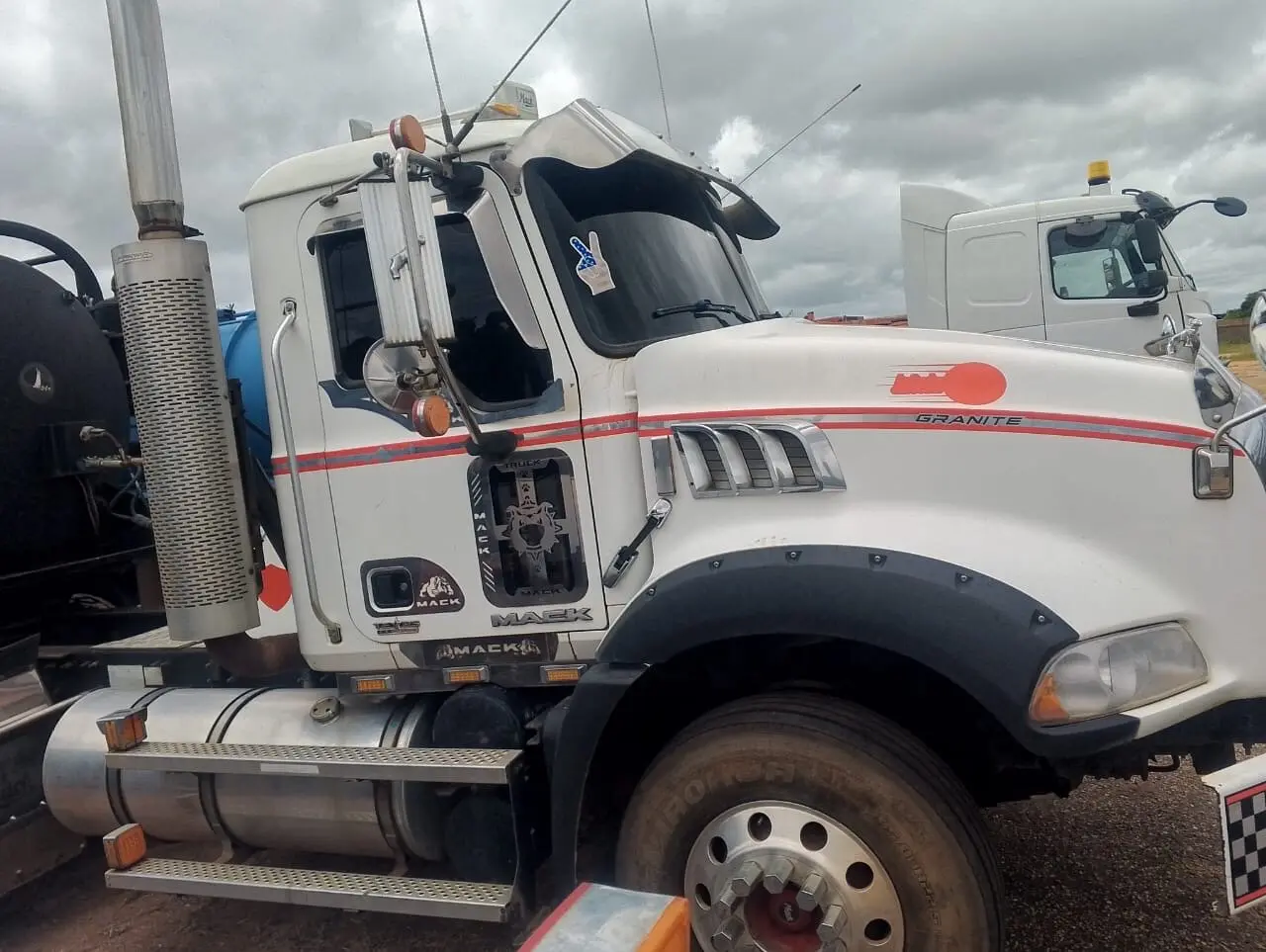
Build a verifiable contractor file before commercial commitment
A useful contractor file is a controlled record showing who the counterparty is, who owns or controls it, what it can deliver, which equipment it proposes and whether required documents remain valid throughout the service period.
Corporate and counterparty information
The review should capture legal name, registration and tax records, ownership information, authorized representatives, banking details, references and payment parties. Names and identifiers must be consistent across contracts, invoices, permits and accounts; mismatches require clarification before approval.
For U.S.-linked investors, this information supports sanctions screening by the investor and its qualified advisers. ESOL can organize local records and execution evidence, but it does not determine whether a transaction is authorized and does not replace U.S. legal counsel.
Equipment, personnel and HSE evidence
The equipment dossier should connect each tractor, tank, trailer or body to its registration, capacity, insurance, permits, inspection, maintenance evidence and project requirements. Personnel records should cover identity, role, licence, training, required HSE credentials and unit assignment. Expiry dates are operating controls: a document valid during tendering may expire before or during service.
Keep sanctions compliance separate from operational acceptance—but connected
OFAC describes five essential components of a risk-based sanctions compliance program: management commitment, risk assessment, internal controls, testing and auditing, and training. Its Venezuela program page publishes legal authorities, FAQs and general licences. Because authorizations can change, U.S.-linked projects must be reviewed against the rules in force when contracting and performance occur.
Operational due diligence supplies accurate data on the contracting entity, beneficial ownership inputs, intermediaries, payment path, equipment origin, service location and beneficiaries. The investor’s advisers and compliance function decide whether the activity is permissible. A local partner provides facts and controls, not a legal conclusion outside its mandate.
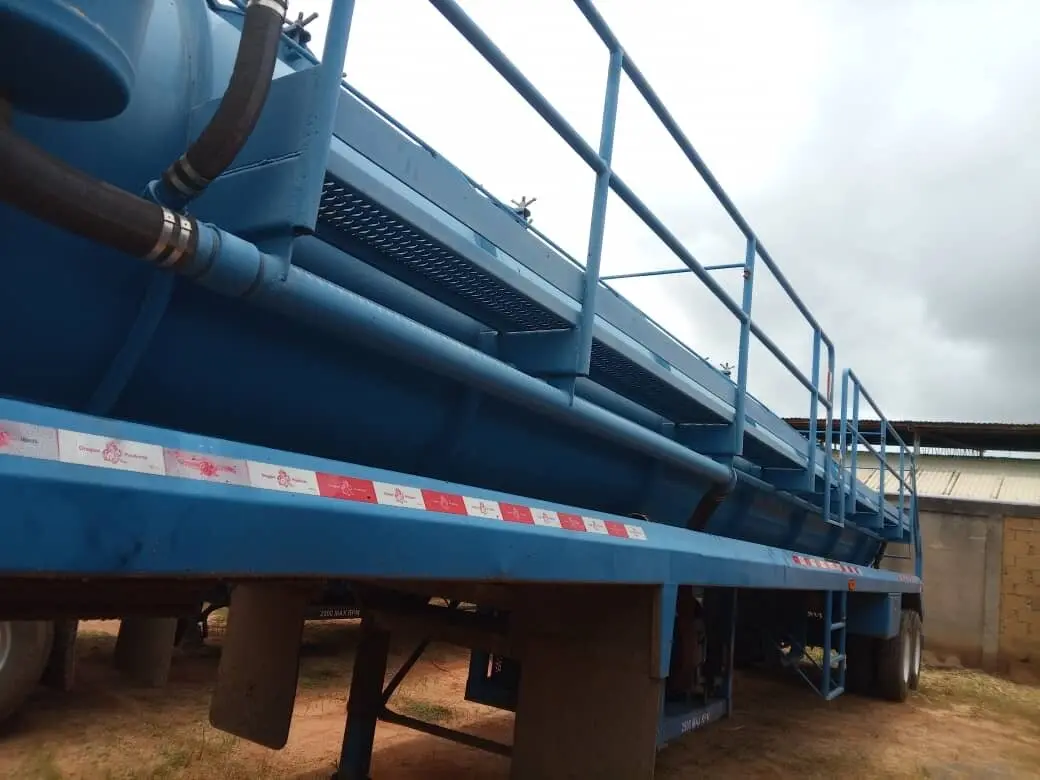
Establish a mobilization gate that can stop an incomplete deployment
No unit should enter the route merely because it is physically available. A mobilization gate should confirm four points: the contractor has been accepted; the exact equipment has passed technical and documentary review; assigned personnel are cleared; and the work order defines scope, destination, schedule, communications and acceptance criteria.
Exceptions must be visible. A pending permit, substitute unit or route change must be recorded, approved or rejected, and preserved in the decision trail. Messaging can support coordination but should not be the only evidence of authorization.
Make field logistics traceable from dispatch to closeout
Traceable logistics must answer with evidence: Which unit moved? Who operated it? When did it leave and arrive? Which route and location applied? What was completed, changed or delayed? Who accepted the result?
A daily record can combine dispatch time, approved checkpoints, crew, equipment code, client representative, service status, HSE observations, photographs, incidents and closeout confirmation. Tracking must match the contract, risk profile and privacy rules.
When a unit fails, the replacement process should confirm equivalence, repeat acceptance checks and preserve the link between the work order and substitute asset. The same record supports review of service quantities and invoices.
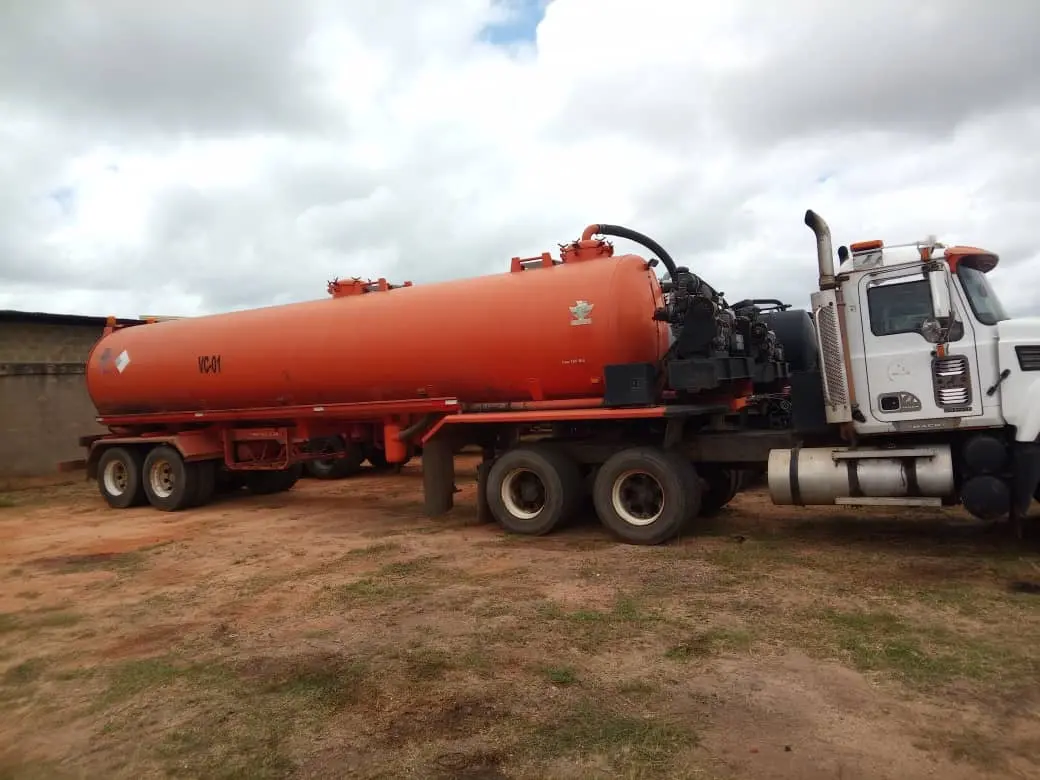
Use governance that works for operators and joint ventures
Joint ventures need clear decision rights. A responsibility matrix should identify who approves contractors and sanctions screening, releases mobilization, controls changes and accepts service. Escalation thresholds should cover incidents, expired documents, route deviations, unavailable equipment, scope changes and counterparty alerts.
Weekly reporting should show planned versus mobilized units, documentation exceptions, completed services, incidents, substitutions, open actions and evidence pending acceptance. The objective is one operating truth shared by investor, operator and local team.
The role of an on-the-ground upstream logistics partner
An effective local partner converts approved strategy into controlled execution by mapping providers, verifying records, coordinating inspections, scheduling mobilization, monitoring status and consolidating evidence. It must also escalate issues to technical, HSE, commercial or legal specialists.
ESOL does not claim that every risk can be eliminated. Its role is to create a documented operating environment where responsibilities, exceptions and field results are visible, while legal, regulatory and sanctions review remains independent.
GEO / FAQ
Frequently asked questions
01How can investors mitigate contractor risk and logistics bottlenecks in Venezuela’s oilfields?
Use one local operating-control process to verify contractors, equipment, personnel and documents before mobilization; connect each approved resource to a work order; track execution; and retain acceptance evidence. Defined escalation and substitution procedures reduce delays without bypassing compliance controls.
02What documents should be reviewed before an oilfield contractor is mobilized?
Review corporate identity and ownership inputs, authorized representatives, equipment registration, insurance, environmental and HSE documentation, technical inspection records, personnel credentials, route requirements and project-specific acceptance criteria. The final checklist must reflect the contract and applicable law.
03Does local contractor due diligence replace an OFAC or legal review?
No. Local due diligence supplies verified facts, records and operating evidence. The investor and qualified advisers remain responsible for sanctions screening, legal interpretation, licensing analysis and transaction approval under the rules in force at the relevant time.
ESOL / OPERATIONS
Turn due diligence into operational control.
ESOL can organize local records, equipment coordination and execution evidence within a defined mandate.